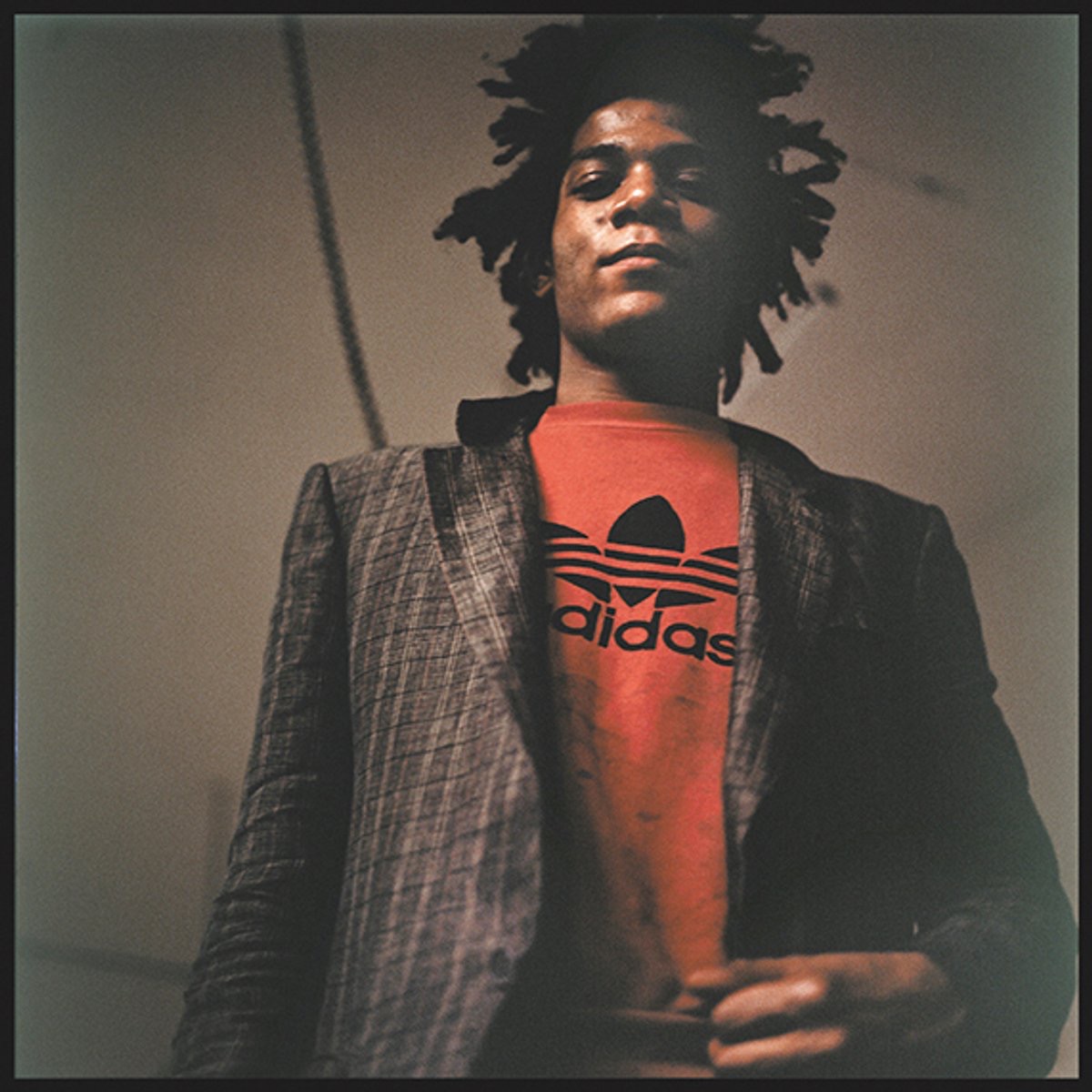
Jean-Michel Basquiat died young, yet his influence has only grown. Doug Woodham’s book, Jean-Michel Basquiat: The Making of an Icon, looks at both the person and the forces that turned him into a global art phenomenon. Woodham begins with Basquiat’s childhood in Brooklyn, his loving but fragile mother, the chaos that followed her illness and the breakup of his parents, and the restless teenage years that pushed him toward street art and the creation of “SAMO©.”
Basquiat’s rise was incredibly fast. People saw his talent in many forms, from dancing to painting, and by his early twenties he was already making headlines. He became one of the youngest artists in the Whitney Biennial, grew close to Andy Warhol and hit a peak of productivity and fame in the mid 1980s. Success also fed his heroin addiction, which eventually took his life at 27.
The second half of the book focuses on what happened after his death. Woodham explains how Basquiat’s father, Gerard, shaped the story told about his son and guarded the estate, sometimes fiercely. The estate also became the center of legal battles and complicated tax questions. Because Woodham writes about these sensitive issues, the estate refused to allow images of Basquiat’s art in the book.
Woodham also shows how early collectors, influential tastemakers and even Basquiat’s magnetic personality helped build his reputation. His identity, creativity and sense of cool made him a perfect match for the flashy 1980s art scene. His early death only deepened interest in his work, and partnerships and licensing deals later helped spread his image around the world.
Today Basquiat is seen as a true icon whose work continues to resonate with young collectors. A 2017 sale of one of his paintings for $110.5 million confirmed his place as one of the most valuable and enduring artists of his time.